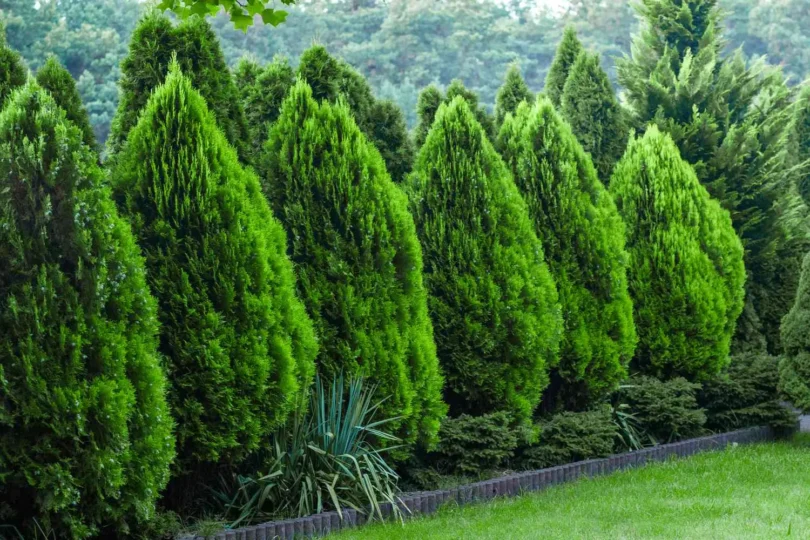
A healthy garden depends on good planning, good maintenance, and proper choice of plants. Properly planned tree hedging not only creates clear boundaries in outdoor living space but also adds privacy, provides shelter from the wind, and acts as a great background for lawn and flower beds. Creating successful hedges requires knowledge of plant growth, maintenance, and proper pruning, rather than periodic clipping. Hedges stay dense, balanced, and aesthetically pleasing all year long with regular maintenance.
Choose Suitable Tree Species
Selection of suitable plant species forms the first important step in hedging. Factors like climate, soil, amount of sun available, and the height of the hedge should be taken into account before planting. Species native to the area are likely to thrive well and need minimal care. While slower-growing species typically require less frequent pruning and retain their shape more consistently over time, fast-growing species provide faster screening.
Plant with Proper Spacing
Correct spacing aids proper root formation and ensures uniformity. When trees are grown too close together, they compete for food, water, and sunlight, resulting in poor branch formation and uniformity. Unattractive gaps that could take years to fill are caused by excessively wide spacing. A broader hedge can be established without needless crowding by adhering to specified planting intervals.
Prune at the Right Time
Pruning at different seasons will help keep the hedge neat as well as stimulate new growth. Light pruning when the plant is actively growing will help in maintaining its shape, while heavy pruning must take place during the dormant season to reduce stress. In addition to improving airflow, removing sick, damaged, or crossing branches lowers the risk of pest infestations and fungal diseases.
Feed and Water Consistently
Good hedge growth calls for balanced nutrition and adequate watering. The newly planted hedges have to be watered more often since their roots will need time to develop. Organic mulching can also help with soil moisture retention, temperature regulation, and weed control. Depending on the state of the soil, sporadic fertilisation promotes strong development without producing too many weak shoots.
Maintain Balanced Shapes
Hedges need to be wider at the bottom than at the top. This will help ensure that sunshine reaches all the branches of the hedge and it does not become thin at the lower parts. Clean, sharp instruments result in smoother wounds that heal more quickly, lowering the risk of illness while preserving a pleasing appearance.
Avoid Common Mistakes
An overcut will result in inner branches being exposed which will give brown areas and take a long time to heal. Trimming should not be done under conditions of extreme heat and extreme cold as the plant will react badly when stressed. Unless expert restoration is required, never remove more than one-third of healthy growth in one season. Frequent inspections catch small faults before they become costly ones.
Monitor Long-Term Health
Monitor the variations in the coloration of leaves, growing pattern and vigor of branches throughout the year. Foliage discoloration, excessive die-back or continued insect infestation can be an indication of problems with the soil or drainage system. Immediate intervention is necessary to ensure faster recuperation and safeguard other plants.
A Practical Role for Professional Expertise
Certain hedges that grow up to become too large or complicated are difficult to take care of at home. Arborists have the skills to properly trim hedges that are becoming overgrown, cut down problematic branches, and give suggestions for future care. Businesses like MD Tree Work assist property owners in maintaining hedge health while honouring the surrounding landscape and existing plants since they are knowledgeable about realistic management techniques.
Conclusion
Proper maintenance turns a common hedge into a feature that will last in your landscape for a long time. With proper selection of plants, right planting, good pruning, and proper maintenance, one is assured of healthy plant life for years to come. Regular maintenance guarantees that tree hedging is appealing, useful, and advantageous throughout the year, improving the look and value of outdoor areas.